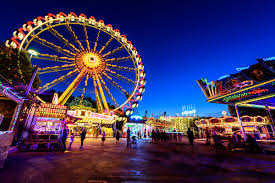
A family a four can easily spend $500-$800 at a theme park before buying lunch. Ticket prices have risen faster than inflation for years. But, the attendance keeps rising. Why is that?
What Theme Parks Actually Sell
The secret behind these million dollar companies is that they aren’t selling rides. They’re selling something far more valuable.
Memories become more valuable over time. Families are investing in moments that in moments that become family lore, a child meeting their favorite character, a shared scream on a roller coaster, an evening parade watched together. The emotional return grows for years in a way few purchases can match.
Complete Escape. Theme parks offer something increasingly rare, immersion into another world. At places like Disney you can be in a galaxy far, far away from your phone and your emails.
Why the High Prices Work
Theme parks have mastered “price inelasticity”, which is demand that doesn’t drop despite price increases.
They’re positioned as once in a while splurges, to regular entertainment. When you visit every few years, the price stings less. Long gaps mean you’re
Premium experiences help maximize revenue and capture all types of income levels. People who can’t afford on-site hotels can stay off-property. Want shorter lines? Buy Express pass, and so on. This makes it so that companies can reach out to as many people as possible.
Families save specifically for theme park trips, treating them as major experiences like a vacation. Once you’ve been planning for months, you’re psychologically committed. The high prices make you less price-sensitive when you finally book.
The Real Value Proposition
Despite costs, visitors receive genuine value form the expierence. The operational excellence is amazing as it moves thousands of people safely through the experiences daily. The cleanliness, safety , and service are noticeable.
Innovation drives return visits. New harry Potter or Star war attractions aren’t just normal rides, they are reasons to come back a second time even if they’ve already been on it. These investments reset interest and generate excitement.
Most importantly, major theme parks have experiences that can only be found at their park making a monopoly on it. If your child wants to visit Galaxy’s Edge, there is only one place that they can do that. This control over experiences gives them the power to charge more than usual.
The Bottom Line
Theme park economics reveal something fundamental abpoit human decision making: we’re not purely rational economic actors. People value memories more than things, and experiences over money
Theme parks have the power to tap into human desires, like spending time with family, feeling wonder, and creating lasting memories. These aren’t normal wants,
While theme parks are expensive and accessibility is a legitimate concern, people still go because theme parks have figured out how to price magic. And it turns our people are willing to pay a lot for it.
 My2Cents
Leave a comment