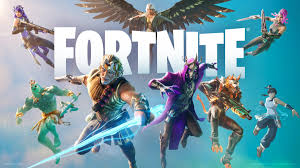
Free-to play games have transformed the video game industry. With games like Fortnite, Candy Crush, and Clash Royale generating millions in revenue despite charging no money upfront. How does giving your product away for free create one of the most profitable business models in entertainment?
The Paradox of Free
The traditional model was simple: pay a certain amount and you could own the game. But with the introduction of Free-to-play flipped this structure around. Players can download and play the game as much as they want without spending a penny.
For example, Fortnite earned over $5 billion in 2023. League of Legends has generated over $20 billion lifetime. Those numbers dwarf what premium games achieve.
Their model? They don’t need everyone to pay, they just need some people to spend a lot.
The Whale Economy
Only 2-5% of F2P players actually spend any money. But the one that do are called “whales”. They account for the most of the revenue
Industry data shows that roughly 50-70% of the revenue come from the top 10% of players who spend money. A whale might spend hundreds pf thousands monthly on a single game while millions play for free.
Free players are not worthless though. They populate the game world, create community, provide opponent’s competitive games, and potentially become future spenders. They hold the games ecosystem for the players that do spend money on the game.
What Are People Buying?
Cosmetics are the “purest” version of monetization. Games like Fortnite built its global empire by selling skins and dances that players could use in game. These cosmetics provide 0 help with gameplay, but ijnstead for players to express themselves on the battlefield
Loot boxes introduce randomness. Players spend for a small chance to win something rare that may or may not help them in game. They borrow gambling psychology where valuable rewards create engagement.
Pay-to-progress lets players spend to speed up their advancment in a game and make it so they might not need to try as hard to get the same things. Mobile games tend to use this a lot more compared to PC/console games.
There are many other types of payment that F2P games might use to get some form of revenue but those are the most prominent in todays age.
The Economic Advantages
Massive addressable markets emerge when a price barrier is removed. A $50 game might reach 10 million users. While a free game can get to 100 million because of how easy it is to get.
Lower customer acquisition costs result from virtual growth. Free games can spread easily compared to paid games because of word of mouth
The Future
Consumer backlash agaisnt aggressive monetization is forcing some developers toward more player-friendly approaches.
Hybrid models are emerhing. Some games might charge a small price upfront and have ongoing monetization, filtering out players that might try and play for free.
The Bottom Line
Free-to-play represents one of the most significant economic shifts in entertainment history. By not having a price at the start and having purchases to make along the way after player are engaged, games can reach huge audiences and generate vene more revunue.
At it’s best,F2P can give access to high quality games while creating a sustainable business. And at its worse it exploits vulnerabilities and transforms games into extraction machines from people.
 My2Cents
Leave a comment