Solving the Information Problem
Economists talk about something called information asymmetry. It describes situations where the seller knows far more about a product than the buyer does. When you stand in a grocery aisle looking at two nearly identical pasta sauces, you have very little information to work with. You read the label, you look at the price, and then you guess. That uncertainty is the enemy of a sale.
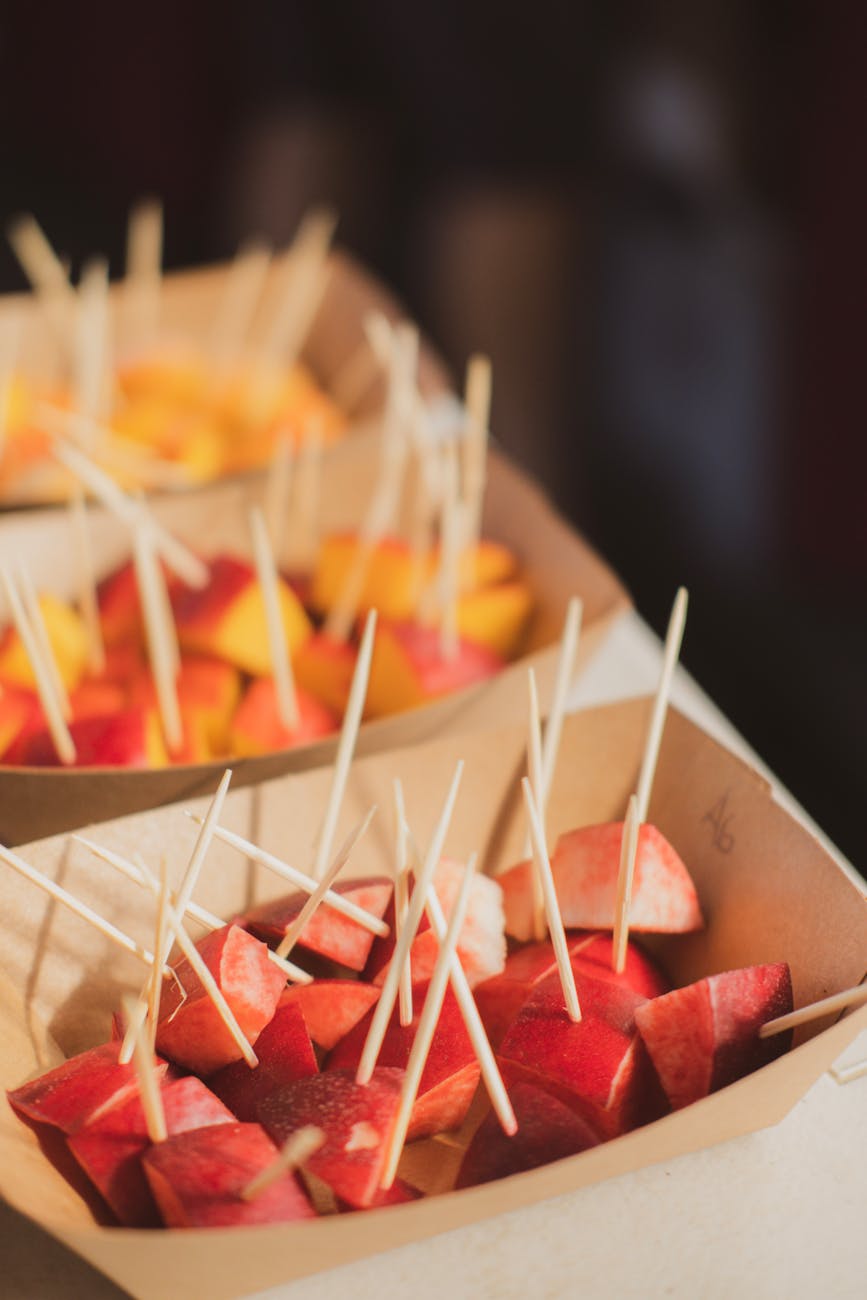
A free sample eliminates the guesswork entirely. The moment you taste the sauce, the information gap closes. You now know exactly what you are buying. Companies that offer samples are essentially paying to remove the single biggest obstacle standing between a shopper and a purchase: the fear of wasting money on something they will not like. That removal has a measurable dollar value, and the cost of a small sample is usually far below it.
The Reciprocity Effect
There is a deeper psychological mechanism at work beyond just information. Sociologists call it reciprocity, and it is one of the most powerful and universal forces in human behavior. When someone gives you something for free, you feel a pull to give something back. It is not a conscious calculation. It is an instinct wired into human social behavior across every culture studied.
Costco built an entire retail experience around this principle. Studies of Costco sample stations have shown that sales of sampled products can increase by as much as 2000 percent on sampling days. Shoppers who had no intention of buying smoked salmon walk past a sample table, take a piece, feel the quiet obligation of reciprocity, and put a thirty dollar package in their cart. The company spent pennies and earned dollars, over and over again across thousands of stores.
Sampling as Advertising
Traditional advertising works by telling people a product is good. Sampling works by proving it. There is no commercial that can replicate the experience of actually tasting something, smelling a perfume on your own wrist, or feeling the texture of a face cream. For products where sensory experience is the main selling point, a sample does what no billboard ever could.
When a company mails a sample of laundry detergent to your home, they are buying something more valuable than an impression. They are buying a trial. The consumer picks it up, uses it, smells the result, and forms an opinion based on direct experience rather than marketing language. Conversion rates from samples to purchases consistently outperform almost every other form of consumer marketing, which is why the global product sampling industry is worth billions of dollars annually.
The Freemium Model is the Same Idea at Scale
Free samples did not stay in grocery stores. The same logic migrated to software, music, and digital services under the name freemium. Spotify lets you listen for free with ads. Dropbox gives you storage up to a limit. LinkedIn shows you basic features and locks the rest. These are all samples. The company is letting you experience enough of the product to want the rest, betting that the cost of serving free users is less than the revenue generated when some percentage of them convert to paying customers.
The economics work the same way they do in the cheese aisle. Lower the barrier to trying the product, reduce the information gap, trigger the reciprocity instinct, and convert a skeptic into a customer. The only difference is that a digital sample costs almost nothing to distribute, which makes the margin on a successful conversion even more attractive.
When Free Samples Do Not Work
Sampling is not a guaranteed strategy. If the product is not good enough to sell itself, a sample simply accelerates rejection. A bad taste or a poor first experience with a free trial can permanently close the door on a customer who might have stayed on the fence without ever trying it. The sample strategy only pays off when the product can carry its own weight once the barrier to trying it is removed.
There is also the question of who is sampling. A free sample handed to someone who will never be a customer is pure cost with no return. The most effective sampling programs target people who are already likely buyers and just need one nudge. A perfume counter at a department store is not randomly sampling the population. It is sampling people who walked into a department store to shop, which is a very different and much more valuable audience.



 My2Cents