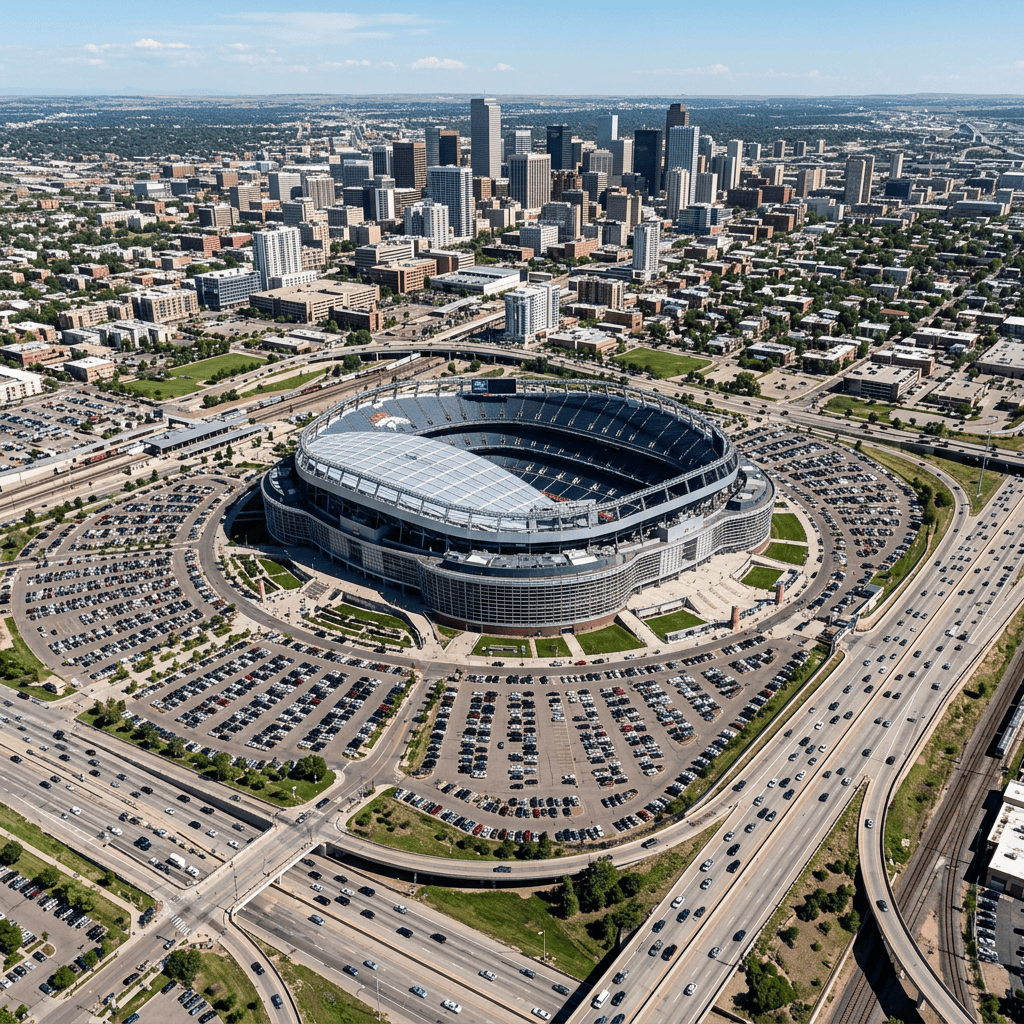
The typical price range of an NFL Stadium Construction is going to be somewhere between $1 billion to $2 billion. While the numbers sound insane, when looking at it from an economic point of view, one may question how these expensive constructions can actually be viable business plans. The stadium is only going to be used for a few dozen games per year and it requires constant maintenance while remaining vacant for most of the time. So why do people continue spending all this money on such an investment? The answer lies within subsidy capture and exploiting the fanbase.
In economics, whenever a corporation can convince another party to foot the bill for an expense and keep all the earnings to themselves, the return on investment becomes highly profitable. For decades now, sporting organizations have mastered this trick. They get the cities that hold their teams to provide funds towards the construction cost via taxpayer money in the form of hotel and sales tax revenues. The corporations threaten them with moving their teams elsewhere if they don’t get enough funding from them. Economically speaking, they tell cities that a new stadium will create jobs and tourism and benefit their local economies.
But economic research done for decades proves otherwise and reveals the truth behind all these claims. People will spend the money that they would’ve spent anywhere else anyways and won’t spend additional money because of the presence of the stadium. All the money being spent in a stadium comes from another business within the community since it doesn’t create any additional wealth in its area. By getting the cities to cover 30% to 70% of the construction cost, they lower capital expenditure significantly while making millions of dollars for themselves. That leads to huge profits and shows how easy it can be to exploit economic principles to create more value from investments.
The next aspect in this plan that needs explanation is how teams are making their profits and why it works perfectly economically. Once fans enter a stadium they become locked in by the geographical barrier around the premises. You cannot exit the stadium mid-game and purchase cheaper items such as food and beverages from other establishments nearby. This lowers your price elasticity drastically which allows you to charge excessive rates on simple items that would typically cost pennies outside. A $.50 cent hotdog inside becomes nine dollars. An item costing twenty five cents such as a small soda bottle costs eight bucks inside the stadium gates. Their margins are insanely high, 80-90 percent and higher. The true money maker isn’t actually the admission fee paid upfront. But everything purchased by you in the arena after entering it becomes their prime source of income and it is extremely lucrative as well.
Another big reason behind stadiums profitability is due to their ability to implement price discrimination tactics. The basic price per seat ranges between fifty to hundred and fifty dollars depending upon several factors. But there are suites available that generate hundreds of thousands of dollars per seat annually. Companies can book entire luxury suites yearly at exorbitant rates and treat clients during a sporting event. The stadium derives 30-40% of its annual earnings solely from these luxury suites and club seats which represent merely 5% of total capacity. Economically speaking this is pure genius, creating more money for yourself from those willing to spend unlimited amounts. As a side note, these deals are also fully tax deductible for corporate clients who can write them off as business expenses.
The final point worth noting about the stadium economics and business model is how the modern day facilities have started generating revenue all year round rather than waiting for game days. Teams are constructing entertainment districts right outside their stadiums. Apartment blocks, hotels, and retail stores owned by the same organization and hence providing guaranteed yearly income. Even without playing games on certain dates they can generate money through rents charged on apartments located beside the stadium. Everything from restaurants, bars, hotels, apartments everything falls under real estate property management. It is clear how the owners maximize profitability through such tactics.
The Bottom Line:
The business practices of modern day stadiums reveal a lot about modern day economics and financial strategies of companies today. Getting taxpayers to subsidize construction costs, utilizing price elasticities to create monopolistic profits, locking corporations for guaranteed checks, and expanding into neighboring real estate businesses are brilliant economic maneuvers for increasing profitability of any business venture.

