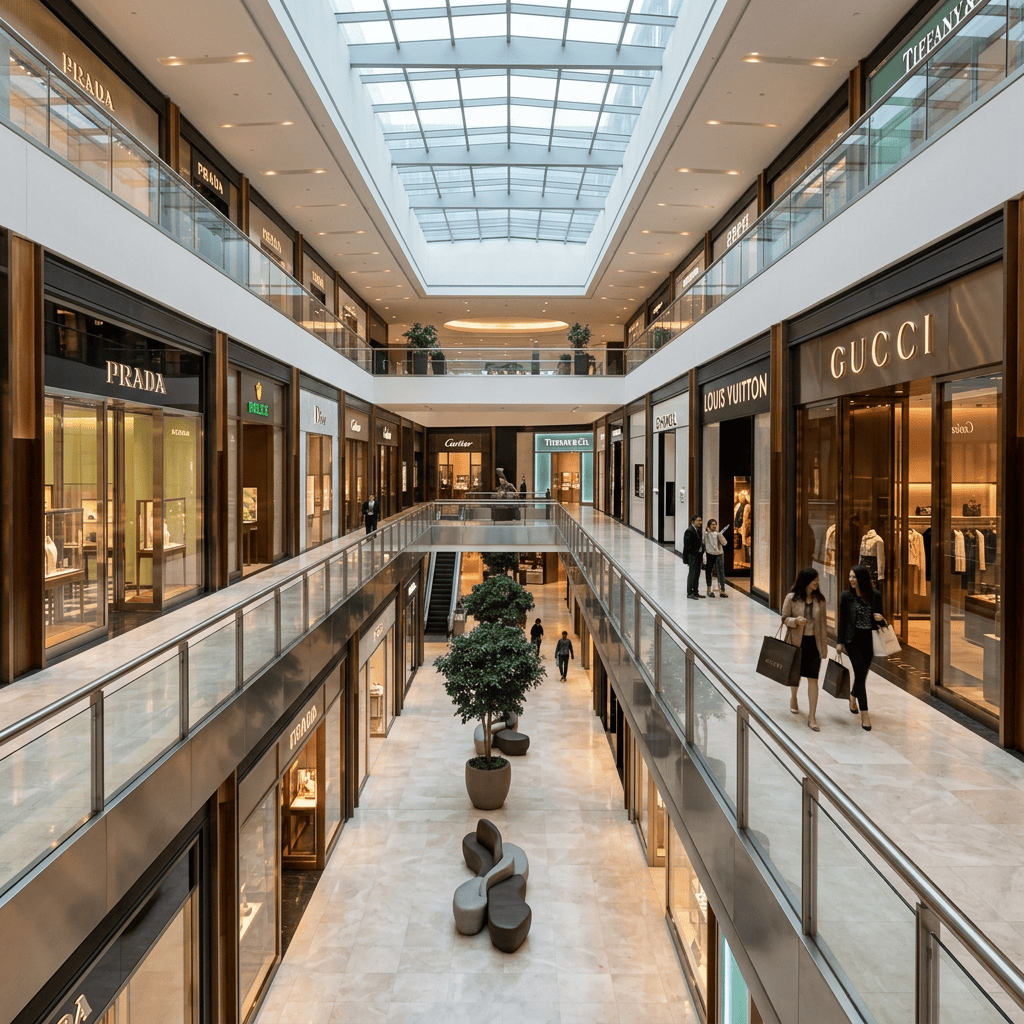
A typical leather handbag may retail for $50 in a department store. A designer handbag by a well known brand can retail for $5,000 or more.
Buyers who justify a 100x markup on a product will say: “The stitches are better, it’s real leather and the bag will last a lifetime.”
Sure, luxury goods use premium materials, but in reality, a $5,000 bag probably only costs $200-$400 to make. The rest of the price?
Because luxury goods are Veblen Goods.
1. The Veblen Effect
In economics as a whole, the law of demand is the inverse: that when price increases, demand decreases.
A Veblen Good defies this principle. With luxury goods, a higher price makes the good more attractive because of the ‘snob’ value. An 80% reduction in price would cause a lot of buy-to-flip investors to walk away from the deal as the good would be much less desirable.
2. Positional Goods and Conspicuous Consumption
Conspicuous consumption is a term introduced by the sociologist and economist Thorstein Veblen. Luxury products are positional goods they’re about where you’re positioned in your social group.
You’re not spending $5,000 to get a super durable bag. You’re spending a premium for a public signal that says, “I can spend $5,000 on a handbag.”
Verdict: Myth Busted
For the most part, although luxury products can have slightly better materials than economy options, they cost much, much more because of marketing, status signaling, and markets creating artificial scarcity, not because they cost more to make and worth the quality.


Leave a Reply